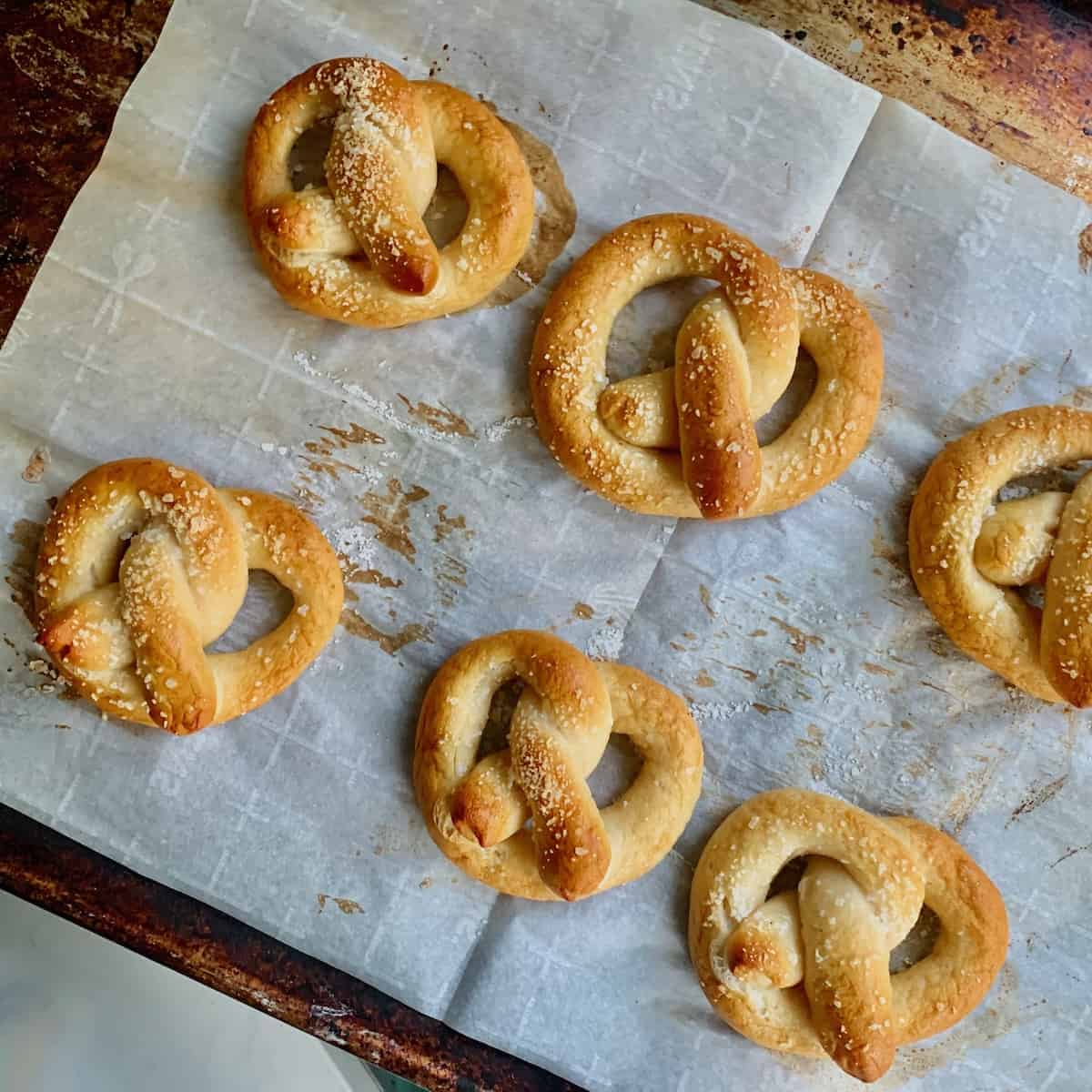
The Gluten-Free Pretzel Conundrum: Replicating Chew & Structure
For those navigating the world of gluten-free eating, the craving for a warm, soft, and perfectly chewy pretzel can often feel like an impossible dream. Traditional pretzels owe their iconic texture and satisfying chew to gluten, a protein network that provides elasticity and structure to dough. Without it, gluten-free baked goods can often turn out crumbly, dense, or dry – a far cry from the classic.
However, the culinary landscape has evolved dramatically, and with a deeper understanding of ingredient science, crafting truly epic gluten free pretzels at home is not just possible, but surprisingly achievable. The secret lies in a masterful blend of ingredients, where starches and xanthan gum play starring roles in mimicking the very properties gluten provides. Forget endless searching through grocery store aisles; this journey into the science of GF pretzel baking will empower you to create your own irresistible treats, whether you fancy them sweet, savory, or even vegan.
The Dynamic Duo: Starches for Superior Texture
In the absence of gluten, a strategic combination of starches becomes paramount for achieving that coveted soft, chewy interior in gluten-free pretzels. Starches are complex carbohydrates that absorb water and swell when heated, a process known as gelatinization. Different starches behave differently, offering unique textural contributions. By understanding their individual roles, we can engineer the perfect gluten free pretzels.
Cornstarch: The Secret to a Tender Crumb
Cornstarch is a popular ingredient in gluten-free baking for good reason. It’s primarily composed of amylose and amylopectin, which contribute to its ability to create a tender crumb and a light texture. When cornstarch gelatinizes, it forms a soft, gel-like matrix that helps hold the dough together without making it tough. It absorbs moisture efficiently, contributing to a drier, more crumbly (in a good way) texture that prevents the final product from becoming gummy.
- Function: Promotes a delicate, airy crumb and reduces density.
- Impact on Texture: Contributes to the "melt-in-your-mouth" quality of the pretzel's interior.
Potato Starch: Unleashing Moisture and Chewiness
In contrast to cornstarch, potato starch brings a different set of properties to the table. It has a higher water-holding capacity and a more elastic texture when gelatinized. This translates directly to increased moisture retention and a desirable chewiness in your gluten free pretzels. While cornstarch leans towards tenderness, potato starch ensures that satisfying bounce and resilience characteristic of a traditional pretzel.
- Function: Enhances moisture retention, elasticity, and chewiness.
- Impact on Texture: Prevents dryness and gives the pretzel a "springy" feel.
Practical Tip: Balancing Starches for Perfection: Many successful gluten-free pretzel recipes utilize both cornstarch and potato starch (or sometimes tapioca starch which offers similar elasticity) to achieve a balanced texture. The key is synergy: cornstarch provides the tenderness, while potato starch ensures the chew and moisture. Experimenting with the ratios in your flour blend can fine-tune your pretzel's final texture. For instance, if your pretzels are too dry, slightly increase potato starch. If they're too dense, lean a bit more on cornstarch.
Xanthan Gum: The Gluten Mimicry Master
Perhaps the most crucial ingredient in gluten-free baking, xanthan gum acts as the stand-in for gluten, replicating its elasticity, structure, and binding capabilities. It's a natural polysaccharide (a complex carbohydrate) produced by the fermentation of sugar by a bacterium called Xanthomonas campestris. In simple terms, it's a food additive that creates a highly viscous solution even at low concentrations.
In a gluten-free dough, xanthan gum performs several vital functions:
- Elasticity and Structure: It forms a stable, flexible gel in the dough, preventing it from crumbling. This elasticity is essential for shaping gluten free pretzels and allows them to expand during proofing and baking without tearing.
- Binding Agent: It helps bind the disparate gluten-free flours and starches together, mimicking the cohesive network gluten would naturally create. This prevents the dough from falling apart.
- Moisture Retention: Xanthan gum is excellent at holding onto water, which helps keep gluten-free baked goods moist and prevents them from drying out quickly. This is particularly important for pretzels, which need a soft interior.
Practical Tip: Using Xanthan Gum Effectively: While indispensable, xanthan gum must be used judiciously. Too little, and your pretzels will be crumbly and lack structure. Too much, and they can become gummy, slimy, or have an unpleasant texture. Most gluten-free flour blends already contain xanthan gum. Always check your blend's ingredients list. If it's not present, add it according to your recipe's specifications, usually in small amounts (e.g., ½ to 1 teaspoon per cup of gluten-free flour blend). It's best to mix it thoroughly with your dry ingredients before adding liquids to prevent clumps.
Beyond Starches & Gum: Other Pillars of Perfect GF Pretzels
While starches and xanthan gum are foundational, the success of your gluten free pretzels also hinges on several other key ingredients and techniques that contribute to flavor, rise, and that signature crispy crust.
The Essential Flour Blend
Beyond cornstarch and potato starch, the base of your gluten-free flour blend sets the stage. Many commercial gluten-free all-purpose blends are excellent starting points, often containing a mix of rice flour (brown or white), sorghum flour, millet flour, and various starches, along with xanthan gum. If you're creating your own blend, consider:
- Rice Flour (Brown or White): Provides structure and a neutral base. Brown rice flour adds more fiber and nuttiness.
- Almond Flour: Adds richness, protein, and a tender crumb, but can be heavy.
- Sorghum or Millet Flour: Offer whole-grain nutrition and a pleasant, mild flavor.
A balanced blend ensures a good flavor profile and avoids the pitfalls of using a single gluten-free flour, which can lead to specific textural issues.
Yeast, Sugar, and Fat: Flavor and Rise
- Regular Yeast: For gluten free pretzels, regular active dry yeast is generally preferred over instant or quick-rise yeast. The slower, more controlled rise that regular yeast provides is crucial for developing flavor and allowing the unique gluten-free dough structure to properly form and strengthen without over-proofing too quickly.
- Brown Sugar (or Alternatives): Brown sugar adds a delicate sweetness, depth of flavor, and contributes to the beautiful golden-brown color of the crust through caramelization. Its molasses content also adds moisture. If you need a substitute, white sugar with a touch of molasses works, or for a unique twist, honey or maple syrup can be used.
- Melted Butter: Butter provides essential richness, a tender mouthfeel, and a wonderful aroma. For vegan options, a plant-based butter substitute works just as effectively.
The Alkaline Bath: Crust and Color
The baking soda bath is a quintessential step for any pretzel, gluten-free or not. Dipping the shaped pretzel dough into an alkaline solution (usually water and baking soda) before baking causes the surface of the dough to become more alkaline. This speeds up the Maillard reaction during baking, which is responsible for:
- Golden-Brown Color: The characteristic deep brown hue.
- Crispy Crust: A slightly firmer, chewier exterior.
- Signature Flavor: That distinct "pretzel" taste.
Cream of Tartar: The Dough Stabilizer
Often overlooked, cream of tartar is a white acidic powder that plays a supporting role. In gluten free pretzels, it acts as a stabilizer, helping to firm up the dough structure. It can also enhance the yeast's effectiveness, leading to a better rise, and contribute to a crispier crust. Lemon juice or white vinegar can be used as alternatives, providing a similar acidic effect.
Crafting Your Own: Tips for Success with GF Pretzels
Now that you understand the science, it's time to put it into practice. Making your own gluten free pretzels at home is a rewarding experience, offering endless customization possibilities.
- Handle Dough with Care: Gluten-free dough can sometimes be stickier or less elastic than traditional dough. Don't be afraid to lightly flour your hands and work surface. Work quickly but gently when shaping to prevent tearing.
- Precise Measuring: In gluten-free baking, exact measurements are crucial. Use a kitchen scale for flour and starches whenever possible.
- Patience with Proofing: Give your pretzels enough time to rise. The controlled rise from regular yeast is essential for developing the proper texture.
- Embrace the Bath: Don't skip the baking soda bath! It's key to the pretzel's authentic crust and flavor.
- Customize to Your Heart's Content: Once baked, the possibilities are endless. From classic coarse salt to cinnamon sugar, garlic butter, cheese, or everything bagel seasoning, you can tailor your pretzels to any craving. For a deeper dive into variations, check out our guide on Easy Gluten-Free Pretzel Recipes: Sweet, Savory, & Vegan Options.
For more detailed step-by-step instructions and recipes, be sure to explore Mastering Soft & Chewy Gluten-Free Pretzels at Home.
Conclusion
The journey to perfect gluten free pretzels is a fascinating blend of culinary art and ingredient science. By understanding the specific roles of starches like cornstarch and potato starch in creating tenderness and chew, and the remarkable ability of xanthan gum to mimic gluten's structure, you unlock the potential for truly incredible results. Coupled with the right flour blend, proper yeast action, and the magic of a baking soda bath, you can confidently transform simple ingredients into delightful, customizable pretzels. Embrace the process, experiment with flavors, and savor the satisfaction of homemade gluten-free goodness.
