Easy Gluten-Free Pretzel Recipes: Sweet, Savory, & Vegan Options
There's nothing quite like the warm, soft, and chewy delight of a freshly baked pretzel. For those navigating a gluten-free lifestyle, this beloved snack often feels out of reach, relegated to wistful glances at bakery windows or the elusive, often disappointing, store-bought alternatives. But what if we told you that the perfect gluten-free pretzels are not only achievable but also incredibly easy to make right in your own kitchen? Forget bland, crumbly imitations; get ready to dive into a world of Mastering Soft & Chewy Gluten-Free Pretzels at Home, customized to your every craving.
This comprehensive guide will walk you through the art and science of creating heavenly homemade gluten-free pretzels. Whether you're yearning for a classic salted twist, a sugary sweet treat, or a wholesome vegan option, our adaptable recipe foundation makes it simple to bring your pretzel dreams to life. Say goodbye to endless searching in the snack aisle and hello to the satisfying aroma of fresh pretzels baking!
The Magic Behind Perfect Gluten-Free Pretzels: Understanding Your Ingredients
Creating Mastering Soft & Chewy Gluten-Free Pretzels at Home that truly replicate the texture and flavor of traditional pretzels is an art form, relying on a careful selection and combination of ingredients. The goal is to mimic the elasticity and chewiness that gluten typically provides, and we achieve this through a clever blend of gluten-free components.
- Gluten-Free Flour Blend: The foundation of our pretzels. While you can use a high-quality pre-made all-purpose gluten-free flour blend (which often includes starches and xanthan gum), crafting your own offers more control. Common individual flours include rice flour, almond flour, or even a specialized gluten-free bread flour blend. The key is balance.
- Starches (Cornstarch & Potato Starch): These unsung heroes are critical for texture. Cornstarch contributes to a wonderfully tender crumb and a lighter texture, preventing the pretzels from becoming too dense. Potato starch, on the other hand, is the secret to that desirable moisture and signature chewiness. Together, they create a harmonious balance that greatly improves the overall structure and consistency of your gluten-free pretzels. To delve deeper into the science, check out Unlock Perfect GF Pretzels: The Science of Starches & Xanthan Gum.
- Xanthan Gum: A vital food additive in gluten-free baking, xanthan gum acts as a thickener and stabilizer. It brilliantly mimics gluten's elasticity and structural properties, helping the dough bind together, improve texture, and retain moisture. Many pre-made blends already contain it, but if yours doesn't, adding it as directed in the recipe is crucial for achieving that authentic pretzel feel.
- Yeast: For a controlled and consistent rise essential for perfect texture, regular active dry yeast is generally preferred over quick-rise yeast. It allows the dough to develop flavor and structure over a slightly longer proofing period.
- Melted Butter: This not only adds a rich, delectable flavor to your pretzels but also contributes significantly to their tender texture. For vegan options, a high-quality plant-based butter substitute works beautifully.
- Brown Sugar: A touch of brown sugar provides subtle sweetness, balances the savory notes, and contributes to the beautiful golden-brown color during baking. If brown sugar isn't available, white sugar with a hint of molasses can be a substitute, or for a unique twist, honey or maple syrup can be used.
- Cream of Tartar: This white powdery stabilizer is more than just an acid. In gluten-free pretzel recipes, it actively helps stabilize the dough and enhances the yeast's effectiveness, leading to a better rise and improved texture. An added bonus? It aids in creating that wonderfully crispier crust. If you don't have it on hand, a small amount of lemon juice or white vinegar can offer similar effects.
- Baking Soda Bath: This step is non-negotiable for authentic pretzels! A quick dip in a hot baking soda solution before baking is what gives pretzels their characteristic deep brown, shiny crust and distinct flavor. It creates a mild alkaline environment that reacts with the starches on the surface, producing that classic "pretzel taste."
Crafting Your Own Gluten-Free Flour Blend (or Choosing Wisely)
While convenience often steers us towards pre-made gluten-free flour blends, understanding the components or even creating your own can significantly elevate your gluten-free pretzels. A good quality all-purpose gluten-free flour blend typically contains a mix of rice flour, sorghum flour, tapioca starch, potato starch, and often xanthan gum. When choosing a blend, look for one specifically formulated for bread or yeast doughs, as these tend to have a better balance of flours and starches.
If you're making your own blend, here's a general idea:
- Base Flours: Think light rice flour, brown rice flour, or even a finely ground almond flour for added richness (though almond flour can be denser).
- Starches: As discussed, cornstarch and potato starch are excellent. Tapioca starch (tapioca flour) can also add chewiness and crispness.
- Binders: Xanthan gum is paramount. If your individual flours don't include it, you will need to add it separately (typically 1/2 to 1 teaspoon per cup of flour blend for yeast doughs, but always follow recipe specifics). Psyllium husk powder is another alternative binder that can add incredible structure and elasticity to gluten-free doughs, making them easier to handle.
Experimentation is key, but starting with a reputable pre-made blend or a well-tested DIY ratio will set you up for success. Remember, gluten-free dough behaves differently; it will be stickier and less elastic than traditional wheat dough, but don't be discouraged – it's supposed to!
Your Step-by-Step Guide to Irresistible Gluten-Free Pretzels
Making homemade gluten-free pretzels is a surprisingly straightforward process once you understand the nuances of gluten-free dough. Here's a general outline that forms the core of any good recipe:
- Activate the Yeast: Combine warm water (not hot!) with a pinch of sugar and your regular active dry yeast. Let it sit for 5-10 minutes until foamy, indicating the yeast is active.
- Mix Dry Ingredients: In a large bowl, whisk together your gluten-free flour blend, starches, xanthan gum (if not in your blend), sugar, and salt.
- Combine Wet & Dry: Add the activated yeast mixture, melted butter, and cream of tartar to the dry ingredients. Mix until a shaggy dough forms.
- Knead (Gluten-Free Style): Unlike wheat dough, gluten-free dough doesn't require extensive kneading to develop gluten strands. Instead, you're looking to thoroughly combine ingredients and create a smooth, albeit slightly sticky, dough. A stand mixer with a dough hook works wonders, or you can mix vigorously by hand for a few minutes.
- First Rise: Place the dough in a lightly oiled bowl, cover it with plastic wrap, and let it rise in a warm place for about 60-90 minutes, or until doubled in size.
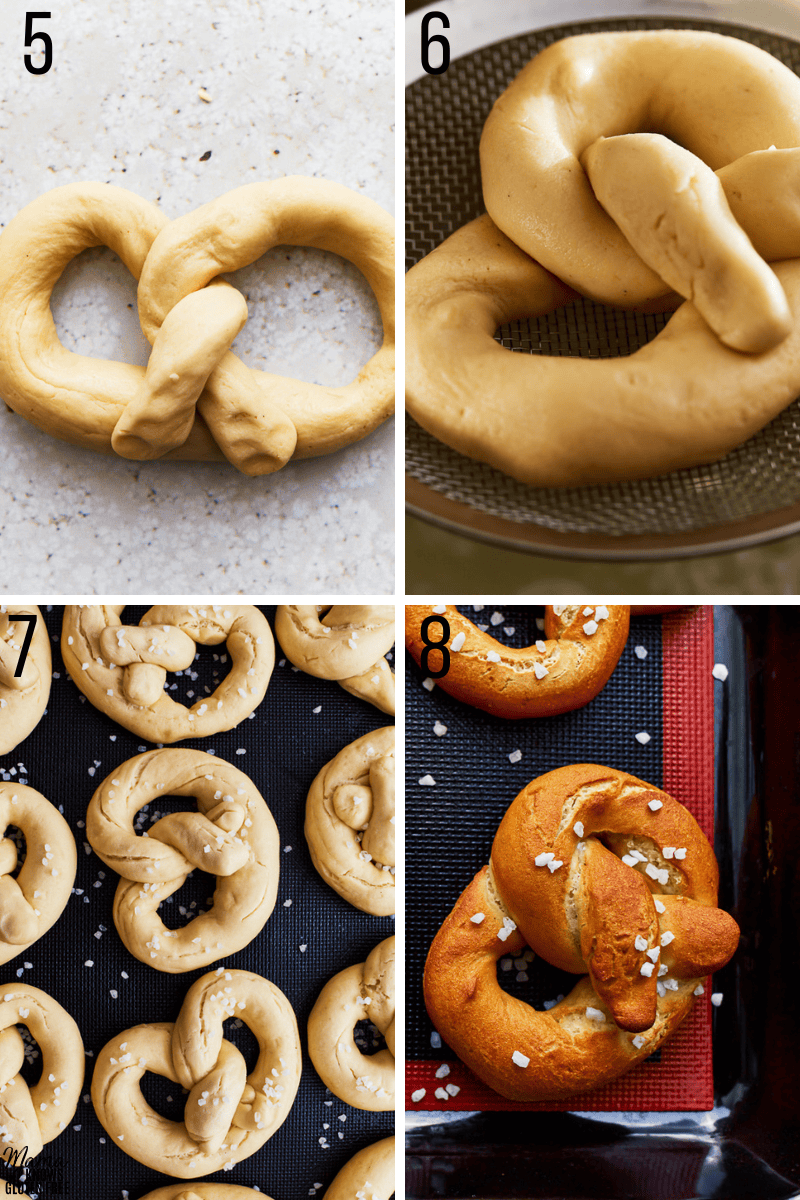
- Shape the Pretzels: Gently deflate the dough and divide it into equal pieces. Roll each piece into a long rope (18-24 inches for classic pretzels, shorter for nuggets). Shape into traditional pretzel knots, twists, or even sticks.
- The Baking Soda Bath: This is the secret! Bring a large pot of water to a rolling boil and add baking soda (typically 1/2 cup to 8-10 cups of water). Carefully drop each shaped pretzel into the boiling solution for 20-30 seconds per side. This step is crucial for the signature pretzel crust and flavor.
- Top and Bake: Remove pretzels from the bath with a slotted spoon, drain excess water, and place them on a parchment-lined baking sheet. Top with your desired seasonings (coarse salt, cinnamon sugar, etc.). Bake in a preheated oven until golden brown and cooked through.
For more detailed instructions and specific measurements, our companion article Mastering Soft & Chewy Gluten-Free Pretzels at Home provides an in-depth recipe.
Unleash Your Creativity: Sweet, Savory, & Vegan Variations
This basic gluten-free pretzel recipe is a blank canvas, ready for your culinary imagination. The beauty lies in its adaptability, allowing you to create any kind of pretzel you desire.
Sweet Sensations
Transform your pretzels into a delightful dessert or a morning treat:
- Cinnamon Sugar: A timeless classic! After the baking soda bath and before baking, brush the pretzels with melted butter, then generously sprinkle with a mix of cinnamon and sugar.
- Chocolate Drizzle: Once baked and cooled, melt your favorite chocolate chips (dairy-free for vegan options) and drizzle artfully over the pretzels.
- Glazed Pretzels: Whisk powdered sugar with a splash of milk (dairy or plant-based) and a touch of vanilla extract to create a simple glaze. Dip or drizzle the cooled pretzels.
- Nutella/Jam Filled: For an extra special treat, flatten small pieces of dough, dollop with a spoonful of Nutella or your favorite fruit jam, seal, and then shape into a ball or small roll before the baking soda bath.
Savory Delights
Embrace the savory side with these mouth-watering ideas:
- Classic Coarse Salt: The quintessential pretzel topping. Sprinkle generously after the baking soda bath and before baking.
- Everything Bagel Seasoning: For a burst of flavor, this popular blend of sesame seeds, poppy seeds, dried garlic, and onion is fantastic. Adhere it after the baking soda bath with a light egg wash or vegan "milk" wash.
- Cheesy Pretzels: Sprinkle shredded cheddar or parmesan cheese over the pretzels after the baking soda bath and before baking.
- Garlic Butter & Herbs: After baking, brush warm pretzels with melted garlic butter and sprinkle with finely chopped fresh parsley or dried Italian herbs.
- Spicy Kick: A dusting of cayenne pepper or chili powder (perhaps mixed with coarse salt) adds a fiery twist.
Wholesome Vegan Options
Making these gluten-free pretzels vegan is incredibly simple, requiring just a few thoughtful substitutions:
- Butter Substitute: Opt for a high-quality plant-based butter alternative that bakes well. Many brands offer sticks that mimic dairy butter's consistency.
- Milk Alternatives (if using): If your recipe calls for milk, use an unsweetened plant-based milk like almond, soy, or oat milk.
- Egg Wash Alternative (for toppings): Instead of an egg wash to help toppings adhere, brush the pretzels lightly with a plant-based milk or melted vegan butter after the baking soda bath.
Tips for Gluten-Free Pretzel Perfection
- Don't Over-Flour: Gluten-free dough can be sticky. Resist the urge to add too much extra flour during shaping, as this can make the pretzels dry. A lightly oiled surface or very light dusting is usually sufficient.
- Gentle Handling: Gluten-free dough lacks the elasticity of wheat dough, so handle it gently to prevent tearing.
- Consistent Rope Thickness: Aim for even thickness when rolling out your ropes to ensure uniform baking.
- The Baking Soda Bath is Key: Don't skip or shorten this step! It's what gives pretzels their unique texture and color.
- Preheat Your Oven: Ensure your oven is fully preheated to the correct temperature. This helps the pretzels bake quickly and achieve a good crust.
- Freshness is Best: Like most baked goods, gluten-free pretzels are best enjoyed warm and fresh from the oven.
- Storage: Store cooled leftovers in an airtight container at room temperature for a day, or freeze for longer storage. Reheat in a warm oven for best results.
No longer do you need to compromise on taste or texture when it comes to satisfying your pretzel cravings. With this guide and a little kitchen adventure, you can effortlessly create soft, chewy, and utterly delicious gluten-free pretzels tailored exactly to your liking. From sweet cinnamon swirls to savory everything seasoning, the possibilities are endless. So, roll up your sleeves, gather your ingredients, and get ready to enjoy the ultimate homemade gluten-free treat!
